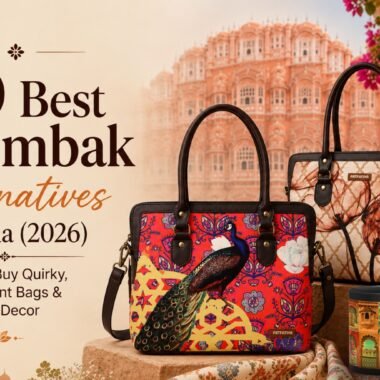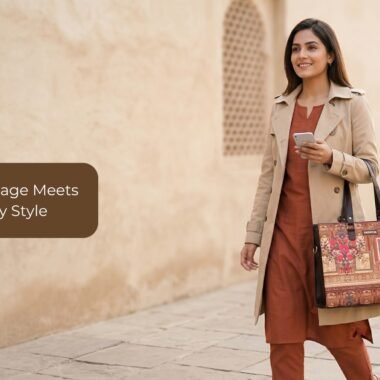
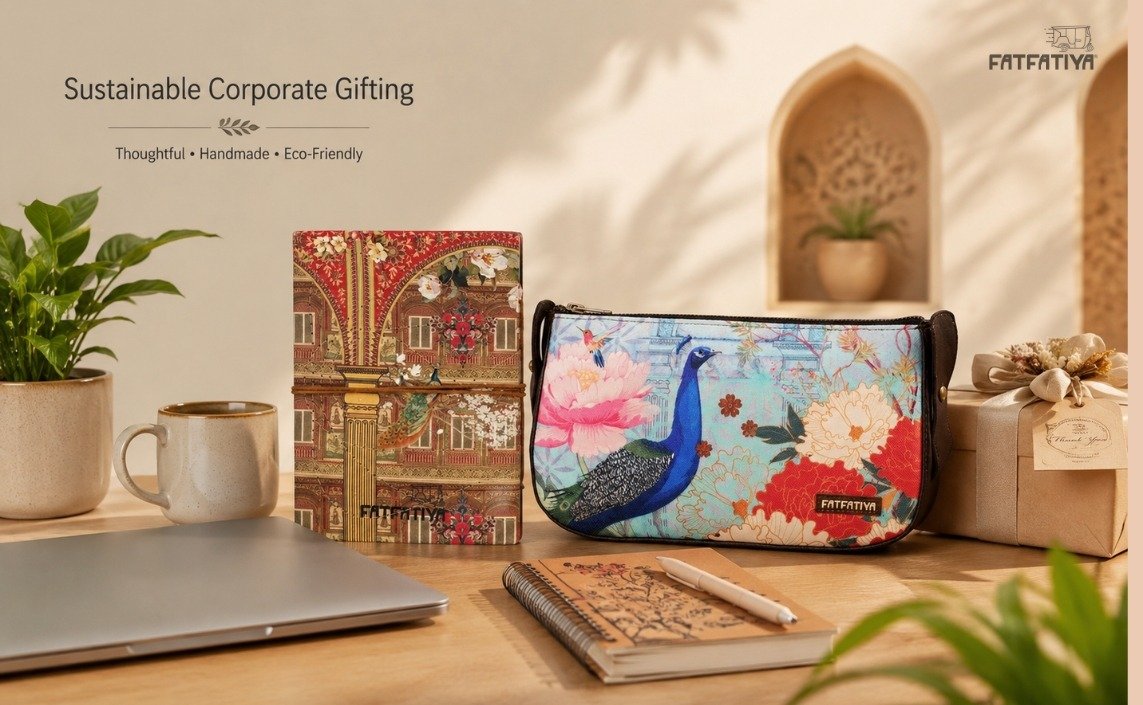
It was three days before Diwali when Ritika, an HR manager at a fast-growing SaaS startup in Bengaluru, realized she had a problem. Two hundred employees. A budget that had shrunk since last year. And a mandate from leadership that read like a riddle: “Make it meaningful. Make it sustainable. And please, no more diaries nobody uses.”
She wasn’t alone. Every year, thousands of HR teams, founders, and office managers across India face the same quiet dread around gifting season — corporate gifting has become an obligation dressed up as a gesture. Somewhere between the bulk orders and the courier deadlines, the actual point of gifting gets lost.
But here’s what Ritika discovered, and what more companies are learning every year: sustainable corporate gifting isn’t a constraint. It’s an opportunity. Done right, it says more about your company’s values than any mission statement on your website ever could. Done wrong, it’s a branded pen sitting in a landfill by March.
This guide walks through exactly how to choose sustainable corporate gifts in India — not as a checklist, but as a way of thinking that will make your next gifting cycle easier, cheaper, and genuinely appreciated.
Why Sustainable Gifting Isn’t Just a Trend Anymore
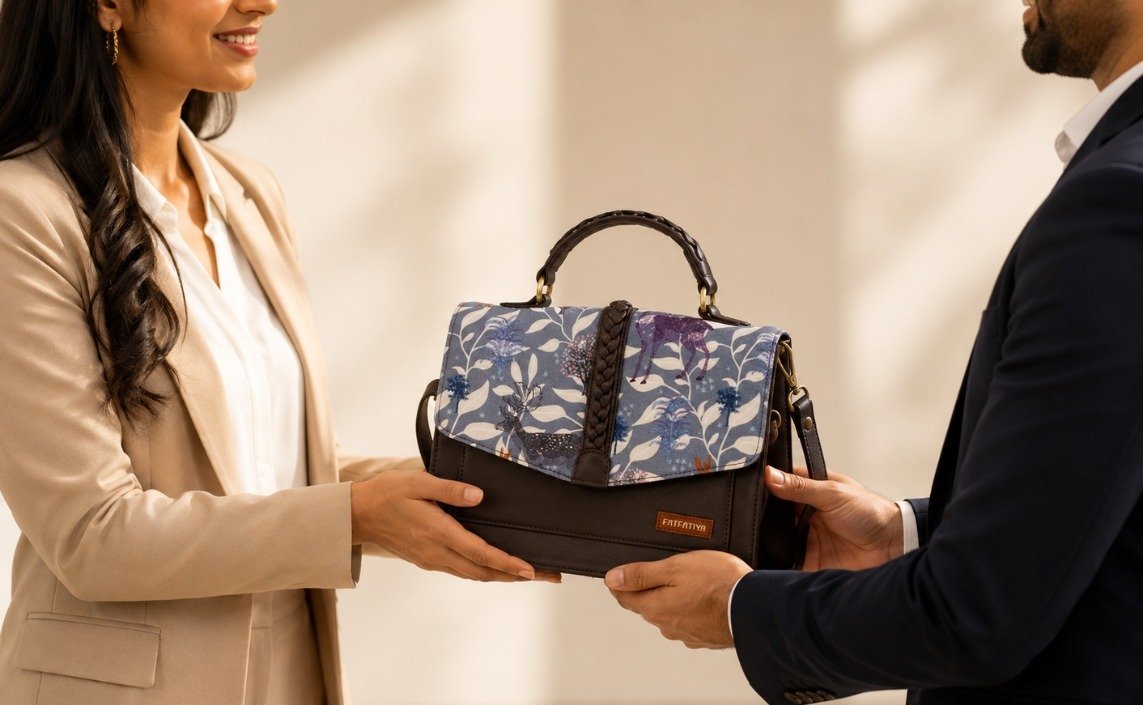
A few years ago, “eco-friendly” on a gift meant a jute bag with a logo slapped on it. Today, it means something closer to intentional — products that are made to last, sourced responsibly, and given with a story attached.
There are three real forces driving this shift in India right now. First, employees and clients are more environmentally conscious than any previous generation in the workforce, and they notice when a gift feels like an afterthought versus a genuine effort. Second, companies are under increasing pressure — from investors, from ESG reporting requirements, and from their own younger workforce — to demonstrate sustainability in tangible, visible ways, not just in policy documents. Third, and perhaps most practically, sustainable gifts often come from small-batch, artisan-led production, which means every gift also carries a story of craftsmanship that a mass-manufactured item simply cannot.
For a company, that story is free marketing. For the recipient, it’s the difference between something they toss in a drawer and something they actually use.
Start With the Question Nobody Asks: Who Is This Actually For?
Most corporate gifting goes wrong at the very first step — before budget, before design, before vendor selection. It goes wrong because the gift is chosen for “everyone” instead of for someone.
Before you choose a single product, get specific about the audience. Are you gifting to employees who’ll use this at their desk every day? Clients who’ll judge your brand by the unboxing experience? New hires on their first day, who’ll form a lasting impression of company culture based on what’s sitting on their desk that morning?
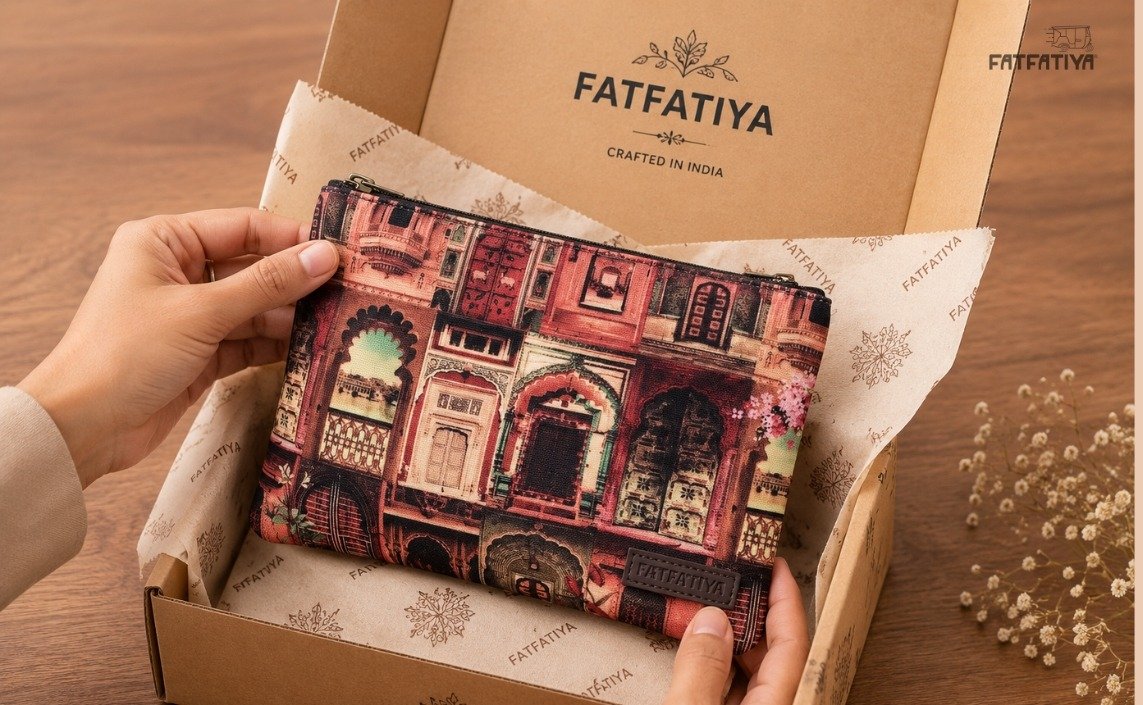
A teacher bag gifted to a corporate client makes no sense. A minimalist ceramic mug with a heritage print, gifted to a new employee alongside a handwritten note, does. The best corporate gifts in India right now aren’t the most expensive ones — they’re the ones that feel like they were chosen by someone who actually thought about the person receiving them.
The Five Markers of a Genuinely Sustainable Gift
Once you know who you’re gifting to, the next filter is sustainability itself — and this is where a lot of companies get confused, because “sustainable” gets used so loosely that it’s lost meaning. Here’s what actually matters when you’re evaluating a product or a vendor.
Material honesty. Look for products made from materials that are either natural, recycled, or built to last for years rather than months — think handloom cotton, canvas, stainless steel, ceramic, or upcycled fabric, instead of single-use plastic or synthetic blends that end up as waste within a year.
Production scale. Small-batch and artisan-made products almost always have a lower environmental footprint than mass-manufactured ones, simply because they’re not produced on assembly lines designed for overproduction. This is also usually where the best stories live — a rug woven by a specific artisan cluster in Rajasthan carries a narrative that a factory-made item never will.
Longevity of use. A sustainable gift is one that gets used repeatedly, not once. A well-made tote bag, a stainless steel tumbler, or a notebook with genuinely good paper quality will be used for years. A branded stress ball will be used for exactly one afternoon.
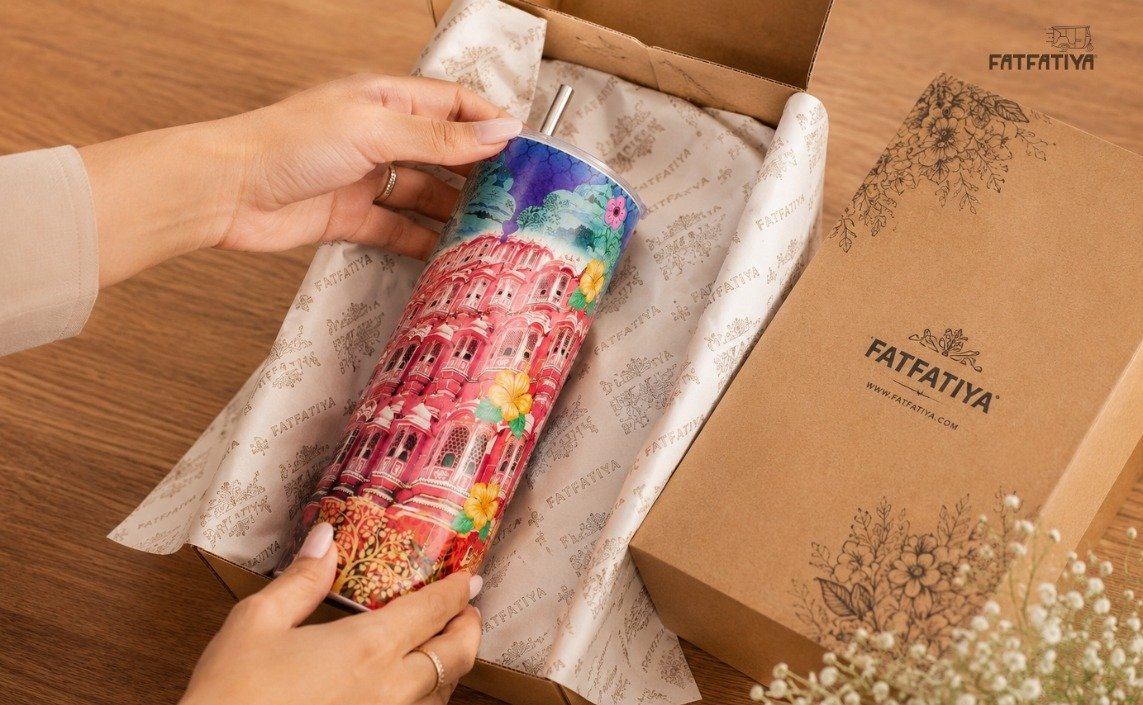
Packaging. This is the detail almost everyone forgets, and it’s often where the largest amount of unnecessary waste happens — plastic wrapping, foam inserts, glossy printed boxes designed once and discarded. Recyclable or reusable packaging, like cardboard tubes or cloth wraps, extends the sustainability of the gift beyond the product itself.
Supply chain transparency. Can the vendor tell you where the product is made and by whom? If a company can point to an actual workshop, an actual region, an actual group of artisans, that’s a strong signal you’re buying something real rather than a mislabeled dropship product.
Matching Gifts to Occasions, Without Overthinking It
Indian corporate gifting has its own calendar, and understanding it makes the whole process far less stressful, because you’re not scrambling to invent occasions — you’re working with ones that already carry meaning.
Diwali remains the single biggest gifting moment of the year, and it’s also where sustainability matters most, because the sheer volume of gifts exchanged during this period means the environmental impact of poor choices compounds fast. This is the moment to invest in your best, most thoughtful hampers — something combining a few small, well-made pieces rather than one generic item.
New employee onboarding kits are a quieter but increasingly important occasion. A welcome kit with a well-designed tote bag or handmade notebook, paired with a personalized note, does more for retention in the first week than most companies realize — it’s often the first physical object a new hire associates with your company culture.
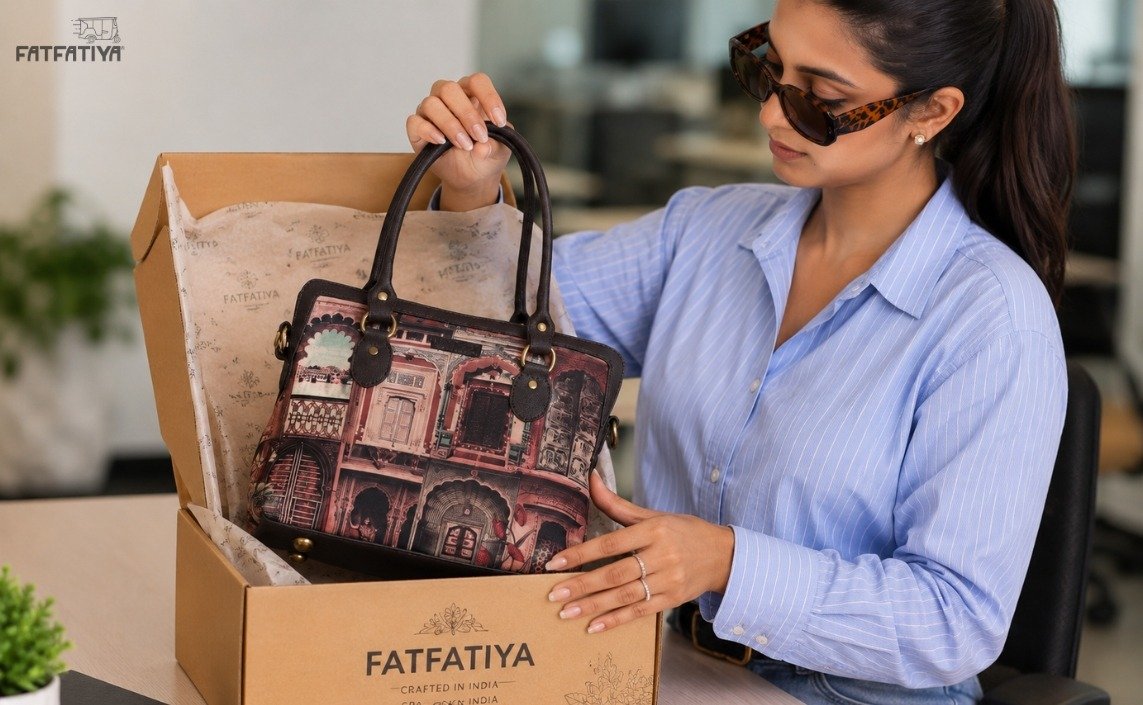
Client appreciation gifts, sent around milestones, renewals, or year-end, are where sustainability doubles as brand positioning. A client receiving a beautifully packaged, handcrafted item is far more likely to remember your company than one receiving a generic pen-and-notepad combo they’ve seen from five other vendors that same month.
And then there are the smaller, often-overlooked moments — work anniversaries, farewells, festival greetings beyond Diwali like Holi or Rakshabandhan-adjacent gifting for mixed teams — where a modest, thoughtful gift goes further than an expensive but impersonal one.
Budgeting Without Sacrificing Meaning
Here’s the myth that needs to be retired: that sustainable gifting is automatically more expensive. In reality, it’s often the opposite, because artisan-made and small-batch products at mid-range price points frequently outperform premium branded corporate merchandise on both cost and perceived value.
A useful way to think about budget tiers, based on what actually works in the Indian corporate gifting market right now:
Under ₹500 works well for bulk gifting — festival greetings, large all-hands events, or client touchpoints where volume matters more than a single standout item. Coasters, small notebooks, and utility pouches sit comfortably here, and browsing gifts under ₹499 is a fast way to shortlist options at this tier.
Between ₹500 and ₹1,500 is the sweet spot for most standard employee or client gifts — this range typically covers well-made coffee mugs, tumbler bottles, and smaller bag categories like sling bags, giving you genuine quality without a steep per-unit cost. Fatfatiya’s gifts under ₹1499 collection is built specifically around this range.
Above ₹1,500 is where you move into premium hampers, statement bags, or curated multi-item sets — reserved for senior clients, leadership gifts, or flagship company events where the gift is meant to be memorable rather than routine. Pieces like teacher bags, laptop bags, or a framed wall art piece work well here, and the gifts under ₹1999 collection is a good starting point.
The mistake most companies make is spending unevenly — overspending on one flashy item for leadership while under-investing in what the broader team receives. Consistency in quality, even at a lower per-unit price, tends to land better than an uneven mix.
What to Actually Look For When Choosing a Vendor
This is where most of the sustainability promise either gets delivered or quietly falls apart. A vendor can use the word “eco-friendly” in every product description and still be sourcing from the same mass-production supply chains as everyone else.
Ask direct questions before committing to a bulk order. Where exactly are these products made, and by whom? What happens to unsold or returned stock — is it genuinely reused, or does “sustainable” only apply to the initial sale? Can the vendor customize in smaller batches, so you’re not stuck over-ordering to meet a minimum quantity, which itself creates waste?
Vendors who work with artisan clusters — particularly regional craft hubs, which India has in abundance, from Rajasthan’s block-printing and metalwork traditions to Gujarat’s textile heritage — tend to be more transparent by necessity, because their entire value proposition depends on that story being real and traceable.
It’s also worth asking about the customization process itself. Good vendors will offer logo placement, personalized notes, or branded packaging without compromising the sustainable materials underneath — the two aren’t mutually exclusive, and a vendor who tells you they are probably isn’t set up for genuinely small-batch, artisan-led production in the first place. Fatfatiya’s own Home & Living and Bags collections are built this way — small-batch, Jaipur-made, and customizable without compromising on materials.
The Story Is the Gift
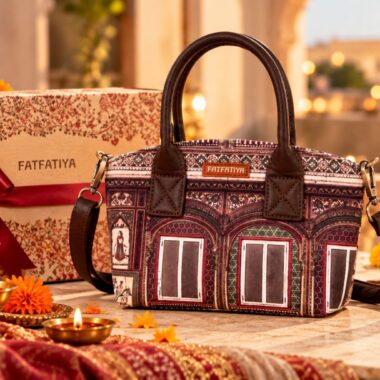
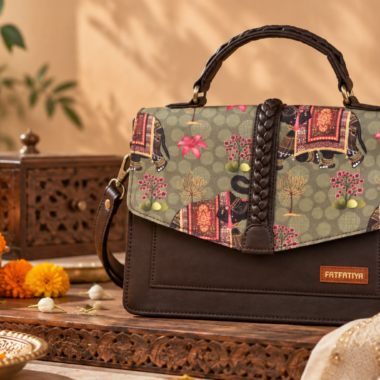
Go back to Ritika for a moment. What she eventually chose wasn’t the cheapest option or the most elaborate one — it was a set of heritage-print tote bags and ceramic mugs from a Jaipur-based artisan brand, packaged with a small card explaining the Rajasthani architectural motif behind the design. Total cost per employee: well under her original budget. Feedback from the team: overwhelmingly positive, with several people posting photos of the bags on their own social channels, unprompted.
That’s the real return on sustainable corporate gifting — it’s not just an environmental checkbox, it’s a piece of your company’s culture that walks out the door and into someone’s daily life. A gift that gets used is a gift that keeps representing your brand long after the occasion has passed.
Choosing sustainable corporate gifts in India, in the end, comes down to a shift in mindset: from “what can we order in bulk quickly” to “what will someone actually want to keep.” Get that right, and the sustainability part takes care of itself — because thoughtful, well-made things are, almost by definition, the ones built to last.
Looking to simplify your next corporate gifting cycle?
Fatfatiya works directly with artisans in Jaipur to create handcrafted, sustainable bags, drinkware, and home accents — with logo placement, personalized packaging, and small-batch flexibility built in. Explore our corporate gifting collections and get a themed hamper proposal for your next event.
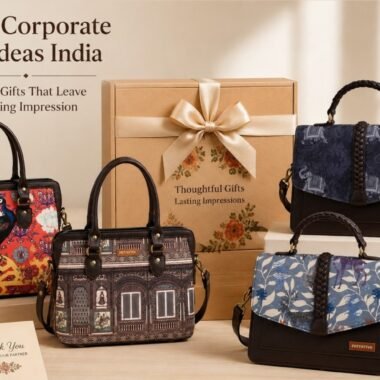
Read More: Best Corporate Gifting Ideas India
FAQs
What makes a corporate gift sustainable?
A sustainable corporate gift is made from natural, recycled, or long-lasting materials (like handloom cotton, ceramic, or stainless steel), produced in small batches by artisans, packaged without excess waste, and sourced from a vendor who can show exactly where and by whom it was made.
Is sustainable corporate gifting more expensive than regular gifting?
Not necessarily. Artisan-made, small-batch products at mid-range price points often cost the same or less than premium branded merchandise, while offering better perceived value and a stronger brand story.
What is a good budget for sustainable corporate gifts in India?
Budgets typically fall into three tiers — under ₹500 for bulk/festival gifting, ₹500–₹1,500 for standard employee or client gifts, and above ₹1,500 for premium hampers or leadership gifts.
What should I ask a vendor before placing a bulk sustainable gifting order?
Ask where and by whom the products are made, whether small-batch customization is possible without high minimum order quantities, what happens to unsold stock, and whether logo placement or personalized packaging is available without compromising the sustainable materials.
What are good sustainable gift options for employee onboarding kits?
Well-made tote bags, handmade paper notebooks, ceramic mugs, and tumbler bottles work well — items that get used daily and leave a lasting first impression, rather than one-time-use branded items.